

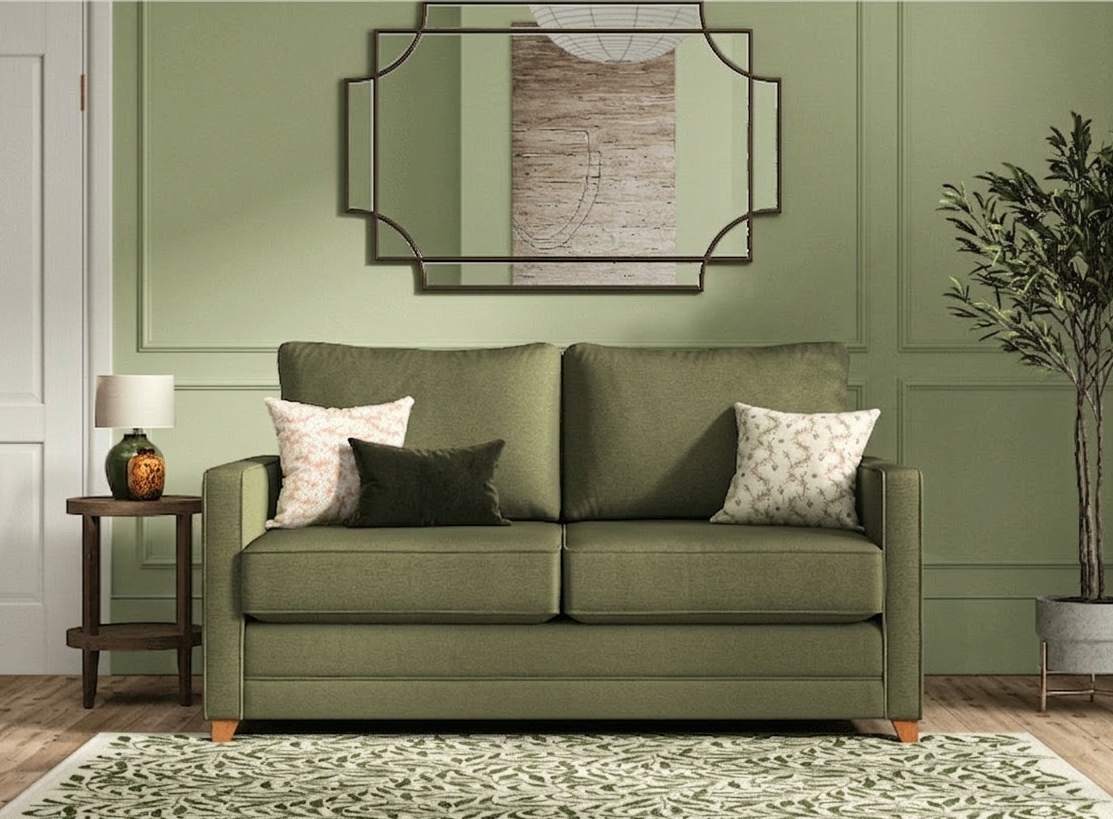
Colour drenching is quickly becoming one of the most popular interior design trends, transforming ordinary spaces into bold spaces full of personality.
Rather than using contrasting walls or feature colours, this technique involves painting multiple surfaces in the same shade. From living rooms to bedrooms, colour drenching can dramatically change how a space feels, making it appear more sophisticated, cosy, or even larger depending on the colour chosen.
In this guide, we’ll explain exactly what colour drenching is and why it has become such a sought-after design approach. You’ll also learn how to colour drench a room step by step, along with practical tips to help you achieve a stylish result in your own home.
What is Colour Drenching?
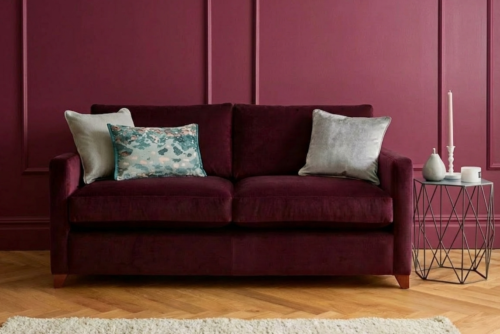
Colour drenching is an interior design technique that involves painting multiple surfaces in a room, including the walls, ceiling, woodwork, and sometimes even furniture, in the same colour or closely related shades.
Instead of creating contrast with feature walls or different trims, colour drenching fully immerses the space in one consistent tone. This approach creates a cohesive look that can make a room feel more dramatic, calming, or intimate depending on the colour used.
Popular with modern designers, colour drenching is often used to bring depth, character, and a high-end finish to both small and large spaces.
How to Colour Drench a Room
Colour drenching may look bold, but the process is actually quite straightforward. The goal is to create a smooth, uninterrupted finish by carrying the same colour across multiple surfaces in the room.
By carefully choosing your shade, applying it to more than just the walls, and coordinating the finishes and décor, you can create a chic, colour drenched space.
1. Choose the Right Colour
The first step in colour drenching is selecting a colour that suits both the room and the atmosphere you want to create. Darker shades such as deep greens, navy blues, or rich burgundies can add drama and create a cosy feel, while lighter tones like soft greys or warm neutrals can make a room feel calm and spacious.
It’s also important to consider natural light, as colours may appear darker or more intense depending on how much light the room receives.
2. Paint More Than Just the Walls
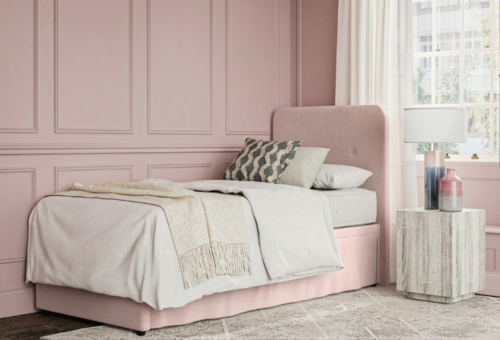
To achieve the true colour drenching effect, the paint should extend beyond the walls. This typically includes the ceiling, skirting boards, door frames, and even radiators or built-in shelves.
Painting these elements in the same shade removes visual breaks and allows the room to feel more unified. This way, you’ll get a smoother looking space where the colour becomes the defining feature of the room.
3. Use Different Paint Finishes
Even though the same colour is used throughout the room, varying the paint finish can help add subtle depth and interest. For example, walls are often painted in a matte or eggshell finish, while woodwork such as doors and skirting boards might use a satin or gloss finish.
This slight variation catches light differently across surfaces, preventing the room from feeling flat while still maintaining the colour-drenched look.
4. Coordinate Furniture and Décor
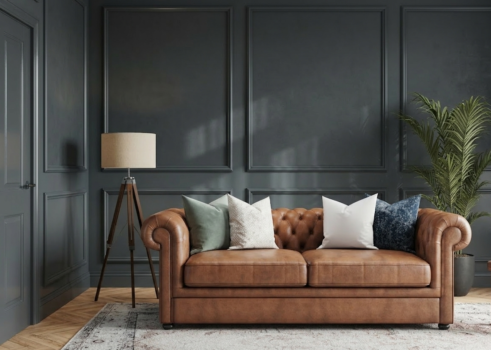
The final step is to ensure that your furniture and décor complement the colour scheme. This doesn’t mean everything has to match exactly, but choosing pieces that sit within the same colour family can enhance the overall effect.
A neutral or soft-toned sofa can anchor the room while letting the walls and woodwork shine, or a sofa in a similar hue to the walls can heighten the all-over colour feel. Warm wood textures can also add balance to the palette, such as coffee tables or console tables in deep oak.
How to Use Furniture to Colour Drench
Using furniture thoughtfully is one of the simplest ways to make colour drenching feel achievable and stylish. With the right pieces, finishes, and arrangement, you can reinforce the drenched colour scheme while adding texture, depth and a sense of luxury.
Choosing Sofas and Seating
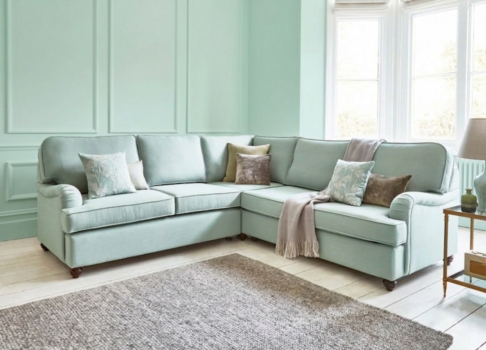
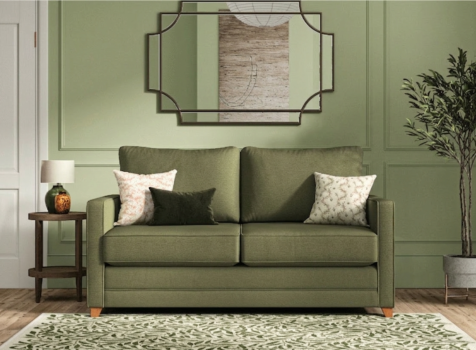
The style and colour of sofas and seating are key to maintaining the immersive effect. Sofas in a matching or tonal shade can blend perfectly with the bold walls, completing the colour drenching look.
Alternatively, a sofa in a slightly lighter or darker hue can add subtle depth, preventing the room from feeling too uniform.
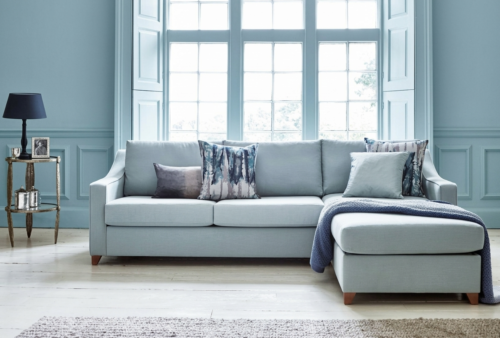
Chaise longues or modular sofas are particularly effective in colour-drenched rooms, adding character while keeping open, uncluttered lines. Sofas with soft, curved edges can also help soften bold wall colours, balancing the overall effect and making the space feel more inviting.
Furniture Accents and Materials
Accents and surface materials play a subtle but important role in a colour-drenched room.
Glass and mirrored furniture work particularly well, as they reflect light and surrounding colour, helping the space feel lighter and more open without disrupting the cohesive palette.
Metallic details, such as gold, brass, or matte black, add elegance and warmth. For instance, a side table with gold legs or a lamp with brass fittings can enhance the room’s sophistication without clashing with the walls.
Wooden furniture, whether in light oak or deeper walnut tones, introduces natural texture and balances the intensity of a fully painted space, making it feel grounded and inviting.
Arranging and Styling Furniture
How you arrange furniture in a colour-drenched room can make a big difference to the overall feel.
Keep larger pieces streamlined and low to let the colour flow around them naturally. Layering textiles, such as cushions, throws, and rugs in complementary or tonal shades, adds depth and prevents the space from feeling flat.
Mixing textures, such as soft fabrics, woven materials, wood, metal, and glass, creates visual richness while still preserving the immersive colour effect.
Finally, leave enough space around key pieces so that each element feels intentional, allowing the colour-drenched walls and surfaces to remain the hero of the room.
Best Colours for Colour Drenching
Choosing the right colour is key to creating a successful colour-drenched room. Bold, deep shades can make a space feel cosy, dramatic, and sophisticated, while lighter, softer tones bring a sense of calm and openness.
The ideal choice depends on the mood you want to create, the natural light in the room, and how much of the space you plan to drench. Neutral and versatile tones also work well, allowing furniture and accessories to stand out while keeping the overall look cohesive and elegant.
Popular colours for colour drenching include:
- Deep greens - rich, deep and perfect for creating a cosy, natural feel.
- Navy blues - classic and sophisticated, ideal for bedrooms and living rooms.
- Warm terracotta - adds warmth and a sense of comfort to a space.
- Soft neutrals - pale greys, beiges, and creams for a light, airy feel.
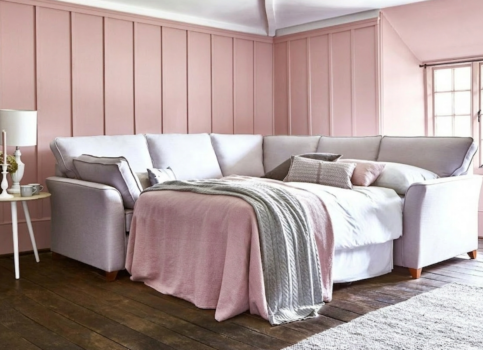
- Dusty pinks or muted mauves - gentle, contemporary shades that work beautifully in living areas or bedrooms.
- Charcoal or slate greys - dramatic yet versatile, especially with lighter furniture accents.
What to Colour Drench
Colour drenching isn’t limited to walls. It should create a fully coordinated effect that carries throughout the room.
The most obvious place to start is with the walls, but including the ceiling, skirting boards, and door frames can instantly make the space feel cohesive and intentionally designed. Panelling works especially well because it adds extra texture, so your colour doesn’t look too uniform.
Extending the colour to key furniture pieces, such as a sofa or armchairs, reinforces the immersive effect and ensures the room feels thoughtfully coordinated. Smaller touches, like coffee tables, display units, or cabinets, can also be incorporated in complementary tones or natural finishes to add texture and prevent the space from feeling flat.
By drenching both surfaces and furniture strategically, you can create a room that feels bold and balanced.
Making Colour Drenching Work for You
Colour drenching is a surprisingly accessible way to transform any room. By carefully choosing your colours, extending them to walls, ceilings, and key furniture pieces, and layering textures and accents, you can create a space that is bold and balanced.
Whether you opt for a dramatic deep hue or a soft, calming tone, embracing colour drenching allows you to make a confident design statement while keeping the room welcoming and practical.
With careful planning and the right pieces, creating a beautifully colour-drenched home has never been easier. Plan your colour drenched space today by browsing our free furniture colour samples.
15 Comments