

Choosing the best type of mattress for you should come down to how you sleep, not what’s popular. A mattress that works well for a side sleeper may not always suit someone who sleeps on their back or stomach. In this guide, we’ll break down the best mattress types based on sleeping position, firmness level, materials, and more.
If you're looking for a new mattress, why not check out our range of luxury mattresses?
Comparing The Best Type of Mattresses
Best Mattresses for Side Sleepers
If you tend to sleep on your side, pressure relief is key. You’ll want a mattress that cushions the shoulders and hips while still supporting the rest of your body. A foam mattress or pocket sprung mattress with a medium or medium-soft feel usually works well here. These types of mattresses provide contouring without that sinking feeling some softer options can have.
Memory foam mattresses are a popular choice here, as they mould around your shape and help keep your spine aligned. Some side sleepers who like a softer top layer might also find a pillowtop mattress comfortable.

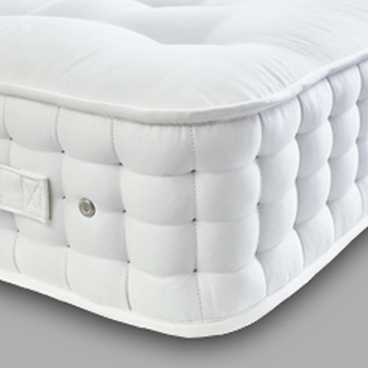
The Pillowtop Mattress
The Pillowtop and The Classic are both good choices if you want support with a bit of softness to relieve pressure points.
Best Mattresses for Back Sleepers
Back sleepers usually need a mattress that supports the natural curve of the spine. A medium firm feel is often recommended, as it provides both structure and comfort. If a mattress is too soft, your hips can dip too low, and if it’s too firm, your lower back may not get enough support.
Memory foam mattresses and pocket sprung mattresses both work well here. Memory foam mattresses gently contour to your body, helping relieve pressure around your lower back. Pocket sprung mattresses offer a firmer, more responsive feel, which can make it easier to stay supported if you change positions in the night.

The Luxury Mattress
The Classic and The Luxury mattresses are both great picks for back sleepers; they offer excellent lumbar support and help keep your spine aligned.
Best Mattress for Stomach Sleepers
Stomach sleepers need a mattress that keeps their body flat and supported, especially around the hips. A firm mattress helps prevent the lower back from arching unnaturally, reducing the risk of strain.
Supportive memory foam mattresses can work well, as long as they don’t allow the midsection to dip. Pocket sprung mattresses with minimal cushioning also help by keeping the spine better aligned.
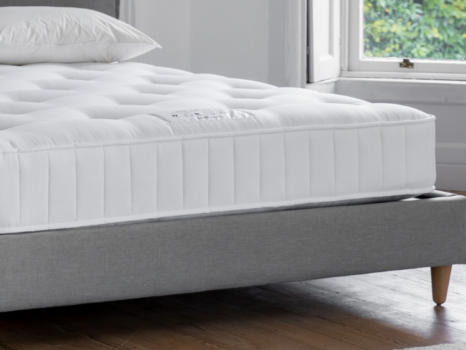
The Classic Mattress
The Classic and The Cotton mattresses from our collection are both solid options here. Both of these mattresses are supportive, breathable, and firm enough to keep your body aligned while sleeping face down.
Mattresses That Help Regulate Temperature
The trick to combating loss of heat in the night, or staying at an optimum temperature when your surroundings warm up, is partly down to the duvet tog you select. But your mattress also has a bearing on regulating your temperature as you sleep, too. Foam mattresses, particularly traditional memory foam, can retain more body heat, which can make them less comfortable for people who get hot while sleeping.
If breathability is a priority, pocket-sprung mattresses or hybrid options often offer better airflow. Look for materials like cotton, wool, or cooling gel layers, which help wick away moisture and maintain a more neutral temperature overnight.

The Cotton Mattress
The Cotton pocket mattress provides a superb sleep experience with a hand-tufted Irish damask cover, multiple layers of upholstery and cotton hand-quilted insulator layers. This mattress has 1,400 individual pocket springs and chrome vents to allow air flow within the mattress, and is also available in a choice of standard or firm tensions to ensure that you get the perfect level of support for a great night's sleep.
How to Test if a Mattress Suits Your Sleep Style
Trying out a mattress for size before you commit is the best way to ensure a good fit for your particular way of sleeping. There are a few simple ways you can test out in seconds whether or not a mattress is going to suit your sleep style. If you know it's not a match, you can quickly move on. Repeating the process of laying down on each style until you get to the one that fits you just right.
It's a bit like finding a dress you love but not being able to do the zip up. You can go ahead and buy it anyway, but if the fit isn't right, you're never going to get on with it. An ill-fitting mattress similarly won't one day magically be right for you either. You have to keep going until you find one that offers comfort and also suits the way you sleep.
A quick test you can do to see if a mattress is right for you involves seeing how much space is left between your back and the mattress when you lie down on it. You ideally want to be able to place your hand between the small of your back and the mattress surface. If you can't, then you know it isn't a good fit for you. Having too much space indicates the style is too soft for your needs. While not being able to fit your hand in at all is an immediate red flag that the mattress will be too hard.
If you're sharing your bed with another person, this test is best conducted when you're both lying down side by side, as the weight of another person can affect the outcome.
Ready to Find the Right Mattress for You?
Choosing the best type of mattress comes down to what suits your body and how you sleep. From firmness level to temperature control, the small details make a big difference.
At Willow & Hall, all our handmade mattresses are designed to support your body and hold its shape night after night. We’ve got breathable natural fibre mattresses like The Cotton, as well as pocket sprung options like The Classic and u. If you prefer a softer top layer, The Pillowtop adds that extra cushioning without losing structure.
Each mattress comes in a range of sizes and is handmade in the UK, with a 15-year guarantee included as standard.
23 Comments