

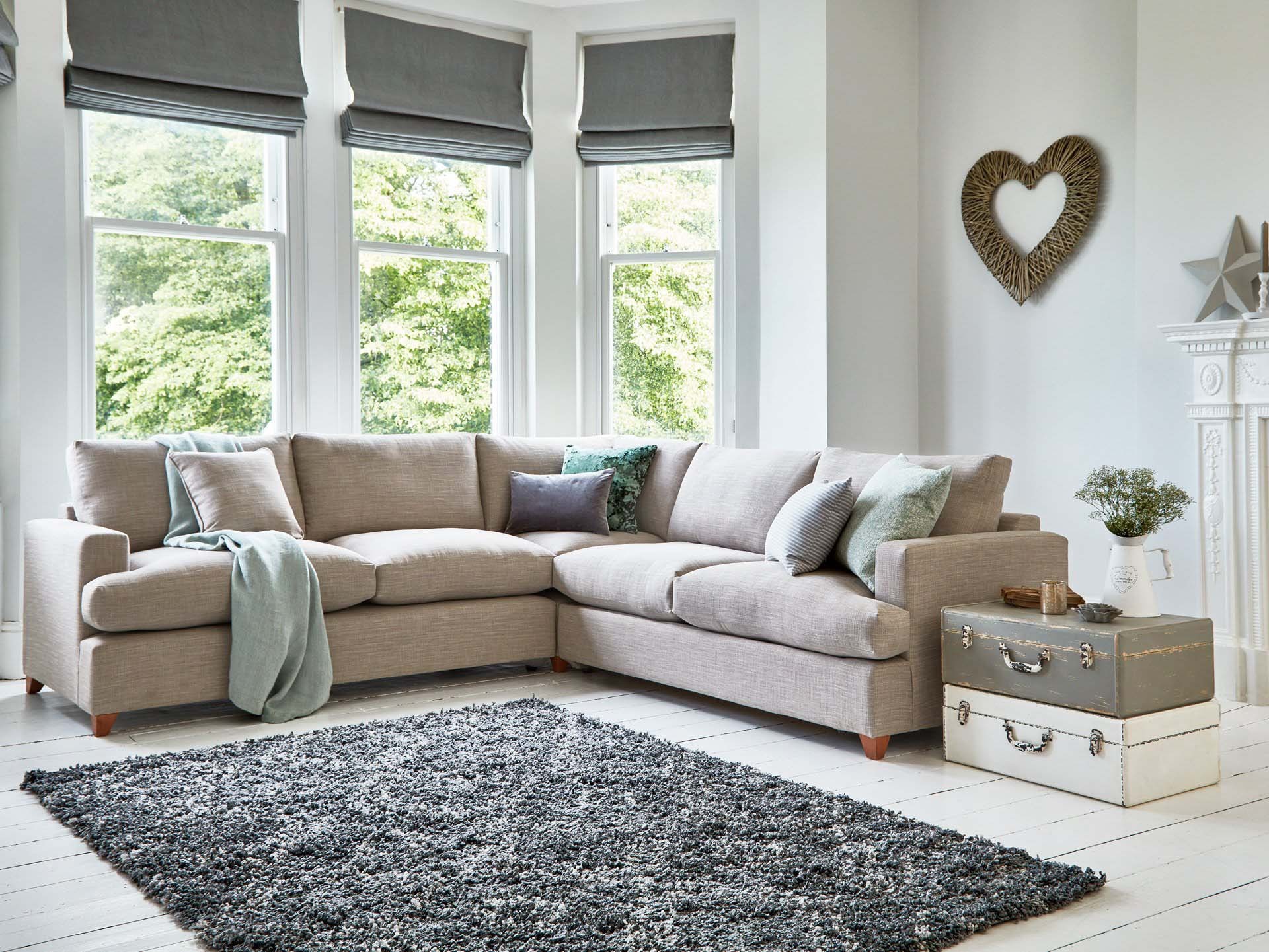
Decorating ideas for a large living room often start with one challenge: how to make a big space feel balanced and inviting. With the right approach, those open layouts and tall ceilings become an opportunity to add character to your living room rather than feeling overwhelming.
This guide will share practical large living room ideas you can actually use, from creating multiple seating areas to layering lighting and choosing the right size of furniture.
The Basics of Decorating a Large Living Room
Before you start planning colours or furniture layouts, it helps to understand what makes a large living room work. The key is to break the space into smaller, purposeful areas while keeping everything visually connected. Here are the essentials to get right from the start:
Layout & Zoning
- Create multiple seating areas for different uses, such as reading, watching TV, or entertaining.
- Use large rugs or grouped furniture to define each area without closing the room off.
Lighting
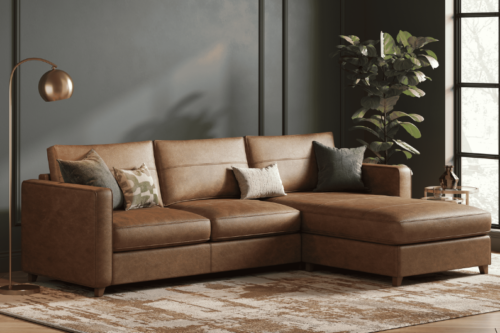
- Layered lighting, we recommend combining ceiling fixtures with wall lights and lamps.
- Dimmer switches make it easier to adjust brightness throughout the day.
Furniture

- Pick pieces that suit the room’s proportions, such as a corner or modular sofa that can comfortably fill the space.
- Leave clear pathways between zones so the room feels open and easy to move around.
Decor & Accessories
- Large rooms can handle bolder features like a gallery wall or oversized artwork.
- Mix materials like wood, metal, and fabric to bring depth into the space.
Practical Decorating Ideas for a Large Living Room
Now that the basics are covered, it’s time to think about how to bring your room to life. The following large living room ideas focus on practical changes you can make straight away, from rearranging furniture to adding lighting.
1. Create Defined Zones
One of the most effective decorating ideas for a large living room is to divide it into smaller zones. This makes the space feel more organised and inviting while still keeping it open and sociable.
Start by thinking about how you use your living room, a seating area for conversation, a reading nook by the window, or a quiet corner for work or hobbies. Use rugs, furniture placement, or lighting to separate these spaces subtly.
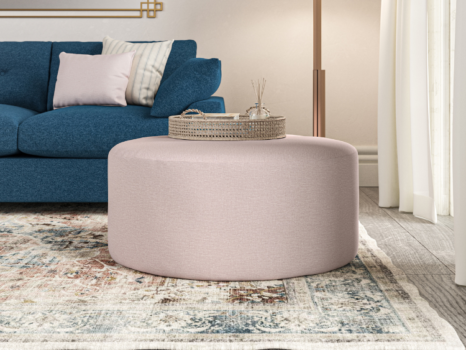
For example, a large corner sofa can help anchor a seating area, while an ottoman or footstool doubles as both a divider and a surface for drinks or trays. These visual boundaries make the room feel structured without adding walls or partitions.
2. Balance Scale and Proportion
When decorating a large living room, the size of your furniture matters just as much as style. Small furniture can look lost in a big space, while oversized pieces in every corner can make it feel crowded. The key is to mix proportions so the room feels balanced and comfortable.
Start with a statement piece like a large or modular sofa, then layer in smaller items such as side tables, loveseat sofas, or a footstool to fill out the layout naturally. Avoid pushing everything against the walls; bringing furniture slightly inward helps define the space and makes it more inviting.
You can also use artwork and wall decor to help. A gallery wall or one oversized mirror above the sofa can draw the eye upward, helping large walls feel less empty.
3. Layer Your Lighting
Lighting plays a huge role. A single overhead light can often leave corners dark, so aim for layered lighting, a mix of ceiling lights, floor lamps, and wall lights that create depth and atmosphere.
Start with your main light source, such as a pendant or chandelier, to brighten the space evenly. Then add floor lamps near seating areas, table lamps on side tables, and wall lights to highlight artwork or architectural details. This combination helps to fill large areas with soft, even light.
To make it feel more lived-in, use warm-toned bulbs and dimmers to adjust the brightness throughout the day.
4. Choose a Cohesive Colour Palette
A consistent colour scheme helps tie a large living room together and prevents it from feeling disjointed. We recommend sticking to a palette of two or three main tones, then introducing variation through texture, accessories, and soft furnishings.
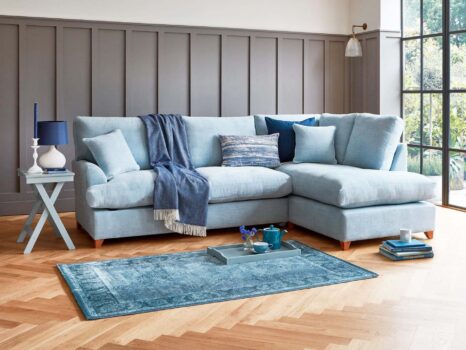
Neutrals such as soft beige, off-white, or muted grey work well as a base, creating a calm foundation for layering bolder shades. You can then add warmth through cushions, rugs, or a statement sofa in a deeper tone like forest green or navy, for example.
If your living room has an open floor plan, keeping the same colour tones across adjoining areas helps everything flow naturally. Even when using accent colours, repeat them in smaller details, such as lampshades or artwork, to maintain visual balance and a sense of continuity throughout your living room.
Since choosing large-scale furniture in the right fabric and colour matters, you might find our blog on the best sofa colours helpful.
5. Add Multiple Seating Areas
Large living rooms can easily feel empty if all the furniture is grouped in one spot. Creating multiple seating areas helps break up the space and makes it more inviting. Think of each zone as having its own purpose, a main area for conversation, a reading nook by the window, or a quiet corner for relaxation.
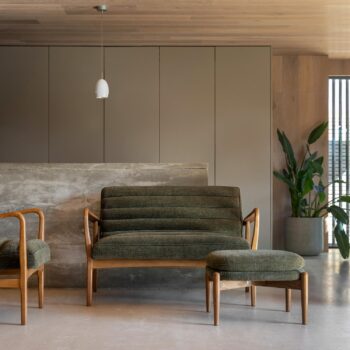
Using sofas, armchairs, or footstools to define these zones helps make the layout feel intentional. For example, a large corner sofa can anchor the main seating area, while an armchair and side table can create a smaller, more private space nearby.
If your layout is open plan, rugs are a simple way to visually separate areas without using walls. This approach keeps the room feeling open but gives every section a clear role.
6. Choose the Right Sofa for the Space
In a large living room, your sofa often sets the tone for the entire layout. The key is choosing a design that feels proportional to the room without overpowering it. An oversized sofa or a modular sectional can help fill the space naturally while creating a central focus for relaxing and entertaining.

If you prefer a more flexible layout, chaise sofas and corner sofas are ideal for defining zones and encouraging a more sociable setup. They can also help frame other pieces like coffee tables or ottomans, giving the room structure without clutter.
For those who want multifunctional options, a large sofa bed combines the comfort of a sofa with a bed, great for when you need extra sleeping space. Our sofa beds collection includes everything from two-seaters to corner designs, all of which are handmade in Britain and available in a range of over 150 fabrics.
7. Add Wall Decor That Fills the Space
In a large living room, bare walls can make the space feel empty or unfinished. The key is to scale your wall decor to suit the room’s proportions. Large artwork, statement mirrors, or a gallery wall can help balance the height and width of bigger walls while adding character and warmth.
If you’re drawn to a more personal touch, mix framed prints with photographs, clocks, or textured wall hangings for a layered look. Keeping a consistent colour palette across your frames or artwork helps the arrangement feel cohesive rather than cluttered.
A large mirror placed opposite a window is another effective trick, it reflects light and makes the space feel even more open.
8. Use Rugs to Define Areas
A well-chosen rug can instantly make a large living room feel more cohesive. In open floor plans or long rooms, rugs help define different areas, whether that’s a main seating zone, a reading corner, or a space by the fireplace.
Choose a rug that’s big enough for at least the front legs of your sofa and chairs to sit on, which helps anchor the furniture visually. If you have multiple seating areas, use rugs in complementary colours or textures to subtly separate them while keeping the overall design consistent.
9. Mix Open and Closed Storage
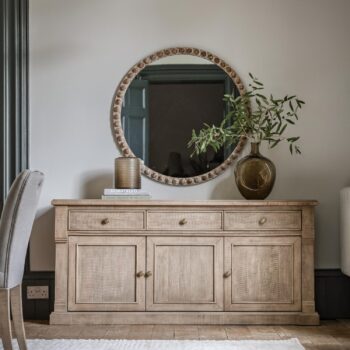
Storage plays a big role in how a large living room feels. Too much visible clutter can make even the biggest space feel busy, but too much hidden storage can leave it looking flat. The key is to mix both. Open shelving or bookcases let you display favourite books, vases, or photos, while closed cabinets or sideboards keep everyday items tucked neatly out of sight.
Modular storage units work especially well if you want flexibility. Combine open and closed sections, or choose a storage ottoman that doubles as extra seating.
Made to Fit Your Home
Decorating a large living room is about balance and proportion, not just filling space. The right mix of lighting, texture, and thoughtful furniture placement turns an open area into a welcoming, well-used part of your home.
At Willow & Hall, it’s easy to create furniture that perfectly fits your living room. From sofas and sofa beds to modular and corner designs ideal for larger layouts, each can be tailored in over 150 fabrics.
If you’re planning your next living room refresh, you can order free fabric samples to see how different textures and colours work in your space before you decide.
3 Comments